
Brain Longevity® Specialist Spotlight

Brain Longevity® Specialist Spotlight

When Malaika Albrecht, RYT200, BLS, first came across the Brain Longevity Therapy Training (BLTT) in a Yoga Alliance newsletter, she didn’t hesitate – she visited the ARPF website and signed up the same day. For her, the decision was both professional and deeply personal.
Her mother had early-onset Alzheimer’s disease. Now, at the same age her mother was when she first began showing signs of dementia, Malaika understands firsthand why brain health is not just a subject to study – it’s a way of living.
“Anything that supports brain health is deeply meaningful to me,” she shares. What drew her most to BLTT was its integration of research, mindfulness, movement, nutrition, spirituality, and community – evidence-based, yet deeply human. As a yoga instructor working in a rural library setting, she also recognized a growing need in her community for programs that support healthy aging, connection, and cognitive well-being in an accessible, welcoming way.
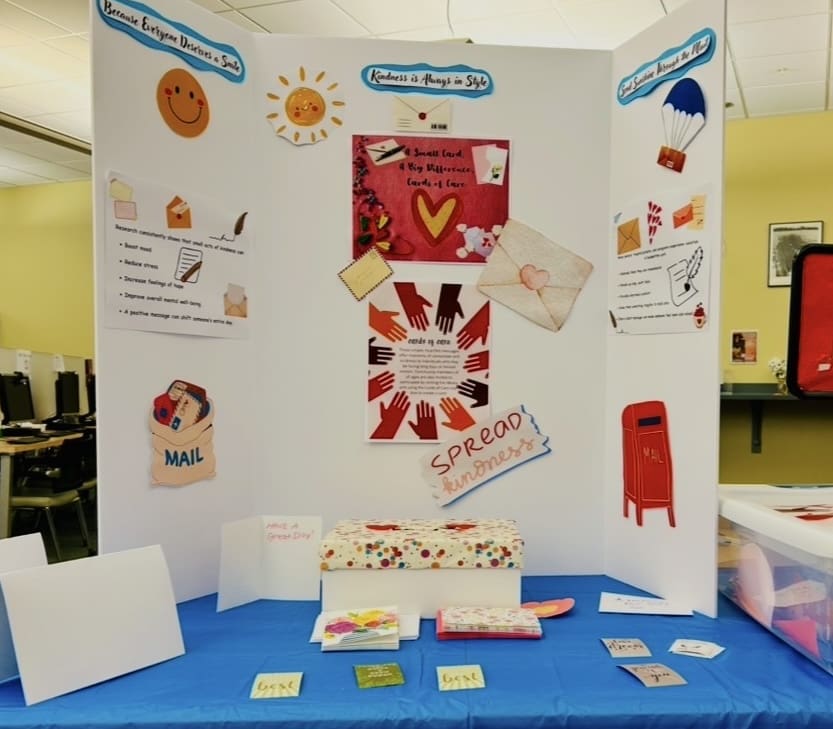
Malaika has woven the 4 Pillars of Alzheimer’s Prevention® into her library in quietly powerful ways. She offers weekly chair yoga and mindfulness practices, poetry and game nights for creative engagement, and a community visiting program that brings audiobooks to residents of a local nursing home – accompanied by handmade cards created by library patrons through a project she calls “Cards of Care.”
Perhaps her most innovative contribution is the Memory Backpack – a lending resource patrons can check out just like a book. Each backpack contains sensory items, conversation prompts, activities, and supportive resources for individuals living with dementia and their care partners.

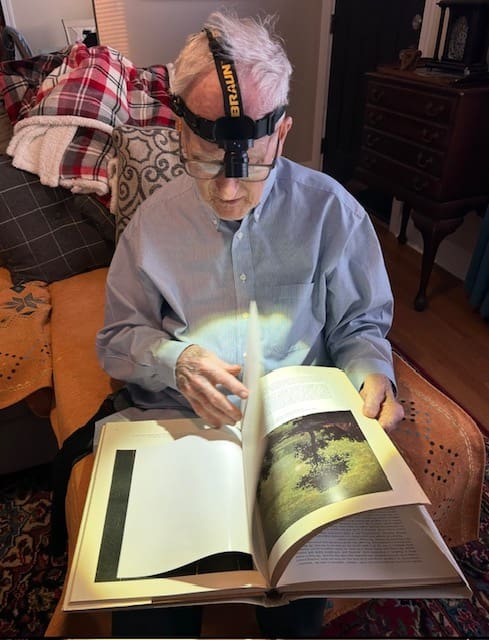
The inspiration behind it is as moving as the project itself. Her father – her mother’s primary caregiver for years and now ninety years old – told her he wished he’d had something like it decades ago. “That comment meant a great deal to me,” she says. All of these offerings are free and accessible through the library.
Community members have shared that the programs help them feel calmer, more connected, and less isolated – and that they value having practical tools they can use right away in their daily lives. For many, the library has become a space that feels welcoming, calming, and nonjudgmental at a time when those qualities matter most.
The journey has also changed Malaika’s own life. She joined a gym for the first time, returned to a personal yoga and meditation practice outside of the classes she teaches, and made a conscious commitment to social connection beyond work.
One of the most meaningful surprises along the way? Learning how much is within our control. Because early-onset Alzheimer’s is often considered largely hereditary, she had long felt a sense of uncertainty about her own brain health future. BLTT gave her something she hadn’t expected: tangible ways to take care of herself.
“One of the most surprising discoveries has been learning how much we can do to support brain health and reduce our risk of Alzheimer’s disease,” she reflects. “Even relatively simple offerings – chair yoga, mindful breathing, poetry, or conversation-centered programs – can make a meaningful difference.”
Her work connects naturally with poetry, trauma-informed care, and community-centered practice – a reminder that brain longevity is not one-size-fits-all. It meets people where they are.
We are grateful for Malaika’s creativity, courage, and commitment to bringing the science of brain health into the everyday lives of the people she serves. She is a beautiful example of what it looks like to walk the talk – and to build something meaningful out of something personal.
To learn more about the Brain Longevity Therapy Training, click here.